
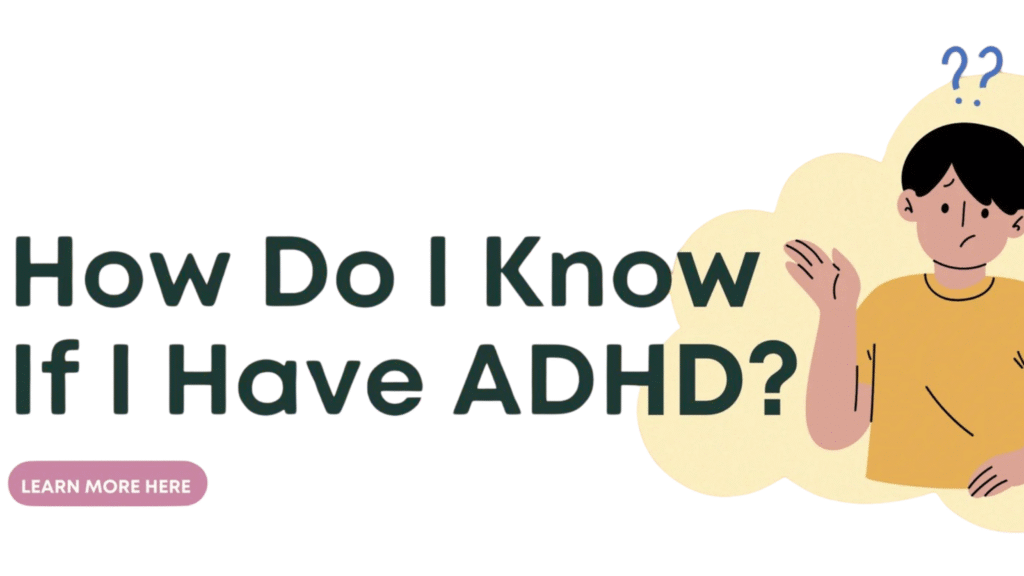
The signs of adult ADHD are not always obvious. Many adults go through life feeling distracted, disorganised, restless or overwhelmed without realising ADHD may be part of the picture.
You might feel as if you are constantly behind, even when you are trying hard. You may start tasks with good intentions, but struggle to finish them. You may forget appointments, lose things, miss deadlines, interrupt people, feel emotionally overwhelmed, or find ordinary daily routines harder than they seem to be for other people.
For some adults, the possibility of ADHD only comes up after a child, sibling, friend, or colleague receives a diagnosis. Others start wondering after years of anxiety, burnout, low self-esteem or frustration with themselves.
This guide explains:
Common signs of adult ADHD
How ADHD can affect daily life
How ADHD can overlap with anxiety or stress
When to consider a formal adult ADHD assessment in Ireland
What is ADHD?
ADHD stands for attention deficit hyperactivity disorder. It is a neurodevelopmental condition, which means it relates to how the brain develops and processes information.
Although ADHD is often associated with children, many people are not diagnosed until adulthood. This can happen because their symptoms were missed when they were younger, because they learned to mask their difficulties, or because the demands of adult life made the challenges harder to manage.
ADHD can affect attention, organisation, time management, emotional regulation, impulsivity, restlessness and day-to-day routines. It can also affect confidence, relationships, work, study and general wellbeing.
ADHD does not mean someone is lazy, careless or not trying hard enough. Many adults with ADHD have spent years putting in huge effort just to keep up.
Common signs of adult ADHD
The signs of adult ADHD can look different from the signs people often associate with children. Adults may not be obviously hyperactive, but they may feel restless, overwhelmed, disorganised or constantly behind.
Common signs of adult ADHD can include:
Difficulty staying focused, especially on routine, repetitive or admin-heavy tasks
Starting tasks but struggling to finish them
Forgetfulness, such as missing appointments, losing things or forgetting what you were about to do
Poor time management or regularly underestimating how long things will take
Restlessness, fidgeting or feeling unable to fully switch off
Impulsivity, such as interrupting, making quick decisions or acting before thinking things through
Difficulty organising work, study, home life or finances
Emotional overwhelm, frustration or strong reactions to criticism
Feeling capable in some areas, but constantly struggling with everyday routines
Avoiding tasks that require sustained mental effort
Procrastinating until pressure or panic sets in
Frequently feeling mentally busy, scattered or overloaded
These signs do not automatically mean someone has ADHD. Anxiety, depression, burnout, trauma, sleep difficulties and other conditions can cause similar symptoms, which is why a formal assessment can be helpful.
Inattention signs in adults
Inattention in adult ADHD is not simply “not paying attention”. Many adults with ADHD can focus intensely on things they find interesting, urgent or rewarding, but struggle with tasks that are repetitive, slow, detailed or not immediately stimulating.
Inattention may show up as:
Losing track during conversations
Reading the same paragraph repeatedly without taking it in
Forgetting appointments, messages or everyday tasks
Missing details at work or in paperwork
Finding it hard to follow through on instructions
Leaving tasks unfinished
Jumping between tasks without completing them
Feeling easily distracted by noise, notifications, thoughts or other people
Putting off admin, forms, bills, emails or household tasks
For some people, this creates a pattern of last-minute pressure. They may only be able to complete tasks when a deadline is very close, which can lead to stress, exhaustion and a feeling of constantly operating in crisis mode.
Hyperactivity and restlessness in adults
Hyperactivity in adults does not always look like running around or being unable to sit still. It may feel more internal.
Adult hyperactivity can include:
Feeling restless or “on the go”
Finding it hard to relax
Fidgeting, tapping, moving around or needing to keep busy
Feeling uncomfortable during long meetings, lectures or quiet activities
Talking a lot or speaking quickly
Having racing thoughts
Taking on too much at once
Feeling bored very easily
Some adults describe it as having a motor running in the background. Others may appear calm on the outside but feel constantly busy, tense or unsettled internally.
Impulsivity signs in adults
Impulsivity means acting quickly without fully thinking through the consequences. In adults, this can affect conversations, spending, decisions, relationships and emotional reactions.
Signs of impulsivity can include:
Interrupting others without meaning to
Finishing people’s sentences
Making quick decisions and regretting them later
Impulse spending
Starting new projects without considering time or cost
Difficulty waiting
Reacting strongly in the moment
Sending messages before thinking them through
Taking risks or seeking novelty
Impulsivity can cause guilt or embarrassment, especially when the person did not intend to be rude, careless or hurtful. Over time, this can affect confidence and relationships.
Emotional signs of adult ADHD
Emotional dysregulation is a common experience for many adults with ADHD. This means emotions may feel intense, fast-moving or difficult to settle.
Emotional signs can include:
Feeling overwhelmed quickly
Strong frustration over small setbacks
Sensitivity to criticism or rejection
Difficulty calming down after conflict
Mood changes during the day
Feeling easily overloaded by noise, mess, demands or interruptions
Shame or guilt after missed deadlines, unfinished tasks or emotional reactions
Low self-esteem after years of feeling “not good enough”
This does not mean every emotional difficulty is ADHD. But if emotional overwhelm appears alongside long-standing difficulties with focus, organisation, restlessness or impulsivity, it may be worth exploring.
Signs of adult ADHD in women
ADHD in women is often missed or misunderstood. Some women are not diagnosed until adulthood, sometimes after a child receives a diagnosis and they begin to recognise similar patterns in themselves.
Adult ADHD in women may show up as feeling overwhelmed, mentally overloaded, emotionally sensitive, disorganised or exhausted from constantly trying to keep everything together. Some women become very good at masking their difficulties, which can make the signs less obvious to others.
Possible signs can include:
Chronic procrastination
Difficulty keeping up with household, family or work tasks
Forgetfulness
Emotional overwhelm
Perfectionism
People-pleasing
Feeling exhausted from masking
Difficulty switching off
Feeling as if everyday life takes far more effort than it seems to take for other people
Because these experiences can also overlap with anxiety, stress, trauma, hormonal changes or low mood, a formal ADHD assessment can help explore what is really going on.
Could it be ADHD, anxiety or stress?
Some signs of adult ADHD can overlap with anxiety, stress, burnout, depression and sleep problems. For example, difficulty concentrating may be linked to ADHD, but it can also happen when someone is anxious, exhausted or under long-term pressure.
The difference often lies in the pattern.
ADHD symptoms usually begin in childhood, even if they were not recognised at the time, and tend to affect several areas of life over time. Anxiety or burnout may develop later or be linked to a particular period of stress.
A formal ADHD assessment looks at your current symptoms, your history, how long the difficulties have been present, and how they affect your daily life. It also considers whether another condition or life circumstance may better explain what you are experiencing.
If you are unsure, you may find it helpful to read our guide to ADHD and anxiety.
Did the signs start in childhood?
ADHD is a neurodevelopmental condition, so signs usually begin in childhood. However, this does not mean they were always recognised.
Some adults did well at school because they were bright, anxious, highly structured, supported at home, or able to compensate in other ways. Others were labelled as lazy, dreamy, messy, disruptive, over-sensitive or not reaching their potential.
Looking back, adults with ADHD may remember:
Difficulty staying organised in school
Forgetting books, homework or equipment
Procrastinating until the last minute
Being told they were not listening
Daydreaming
Talking too much
Getting into trouble for interrupting
Feeling bored easily
Finding routines difficult
Struggling with emotional reactions
A diagnosis does not depend on one childhood memory. A clinician will look at the wider pattern across your life, including school, work, relationships, home life and mental health.
When should I consider an adult ADHD assessment?
You may want to consider an adult ADHD assessment if the signs of adult ADHD feel familiar and are affecting your day-to-day life.
This may include difficulties with:
Work or study
Deadlines and organisation
Home routines
Relationships
Finances
Emotional regulation
Time management
Focus and follow-through
Feeling constantly overwhelmed
A formal assessment can help clarify whether ADHD is present, whether another explanation may be more appropriate, and what support may help.
Can an online ADHD test diagnose me?
Online ADHD tests and checklists can be useful starting points, but they cannot diagnose ADHD.
They may help you notice patterns in attention, organisation, impulsivity, restlessness or emotional regulation. However, a formal diagnosis requires a clinical assessment with a suitably qualified professional.
If you complete an ADHD self-screening tool and feel the results reflect your experience, the next step is to speak with your GP or book a formal adult ADHD assessment.
How to get an ADHD diagnosis in Ireland
If you think you may have ADHD, you can speak with your GP about your symptoms and ask about referral options. Some adults are referred through public mental health services, while others choose to book a private ADHD assessment.
A formal adult ADHD assessment usually looks at:
Your current symptoms
Your childhood history
How symptoms affect work, study, relationships and daily life
Any relevant medical or mental health history
Whether anxiety, depression, trauma, sleep issues or another condition may also be present
Standardised ADHD rating scales or questionnaires
Information from school reports, family members or previous assessments, where available
At BetterCare, adult ADHD assessments are available online and in person in selected locations across Ireland. If you are looking for support for a child or teenager, please visit our child and adolescent ADHD assessment page.
What happens after an ADHD diagnosis?
An ADHD diagnosis can bring relief, clarity and mixed emotions. Some people feel validated. Others feel sadness or frustration that their difficulties were missed for so long.
After diagnosis, support may include:
A clear diagnostic report
Personalised recommendations
Psychoeducation about ADHD
Therapy or counselling support
Practical strategies for organisation, time management and emotional regulation
Workplace or college recommendations, where appropriate
Referral for psychiatric review if medication or further treatment discussion may be helpful
At BetterCare, where ADHD is diagnosed, we include four complimentary online counselling sessions as part of your care. If medication or psychiatric review may be appropriate, we can refer you to a BetterCare psychiatrist for further support.
What if I am not diagnosed with ADHD?
Not everyone who has ADHD-like symptoms will receive an ADHD diagnosis. This does not mean your difficulties are not real.
An assessment may suggest that another explanation is more appropriate, such as anxiety, depression, trauma, burnout, sleep problems, autism, learning differences or another mental health concern.
In that case, the assessment can still be valuable because it may help guide you towards the right support.
How BetterCare can help
If the signs of adult ADHD feel familiar and are affecting your daily life, a formal assessment can help you understand what is going on and what support may help.
BetterCare provides adult ADHD assessments for people aged 18+ across Ireland, with online appointments available and in-person consultations in selected locations.
Your assessment includes a clinical interview, standardised ADHD rating scales, a review of your history and a detailed diagnostic report with personalised recommendations.
If you are unsure whether an adult ADHD assessment is the right next step, you can book a free 15-minute consultation. Our team can talk you through the available options and help you choose the most suitable service.
For clients who need faster access or would prefer a psychiatrist-led pathway, our Accelerated Adult ADHD Assessment may be more suitable.
FAQs about signs of adult ADHD
Can adults have ADHD?
Yes. ADHD often begins in childhood, but many people are not diagnosed until adulthood. Some adults only recognise the signs when life becomes more demanding or after someone close to them receives a diagnosis.
What are the most common signs of adult ADHD?
Common signs of adult ADHD include difficulty focusing, poor organisation, forgetfulness, restlessness, impulsivity, emotional overwhelm, procrastination and difficulty finishing tasks.
How do I know if it is ADHD or anxiety?
ADHD and anxiety can overlap. Both can affect concentration, sleep, restlessness and daily functioning. An ADHD assessment considers your history, current symptoms and whether anxiety, stress or another condition may better explain what you are experiencing.
Can an online ADHD test tell me if I have ADHD?
No. Online ADHD tests can be a helpful starting point, but they cannot provide a diagnosis. A formal diagnosis requires a clinical assessment.
Do ADHD symptoms have to be present from childhood?
Yes, ADHD is a neurodevelopmental condition, so symptoms usually begin in childhood. However, they may not have been recognised at the time, especially if someone learned to mask or compensate.
How do I get assessed for ADHD in Ireland?
You can speak with your GP about referral options or book a private adult ADHD assessment. BetterCare offers adult ADHD assessments online and in person in selected locations across Ireland.
What support is available after an ADHD diagnosis?
Support may include a diagnostic report, practical recommendations, therapy or counselling, workplace or education recommendations, and psychiatric review where appropriate.
References and further reading
ADHD Ireland: Information and support for adults with ADHD, including how ADHD can affect concentration, organisation, planning, behaviour, emotions and social life.
HSE Adult ADHD Programme: Information on the HSE National Clinical Programme for ADHD in Adults, including assessment and treatment pathways in Ireland.
NICE guideline NG87: Attention deficit hyperactivity disorder: diagnosis and management. Guidance covering recognition, diagnosis and management of ADHD in children, young people and adults.
NHS: ADHD in adults. Information on adult ADHD symptoms, including inattention, hyperactivity, impulsivity, organisation, forgetfulness and restlessness.
When to get urgent help
This blog is for general information and is not a crisis support service.
If you are in immediate danger, at risk of harming yourself or someone else, or need urgent mental health support, call 999 or 112, go to your nearest Emergency Department, or contact your GP out-of-hours service.
If you are in Ireland and need someone to talk to, you can contact Samaritans free on 116 123, day or night.
