
References
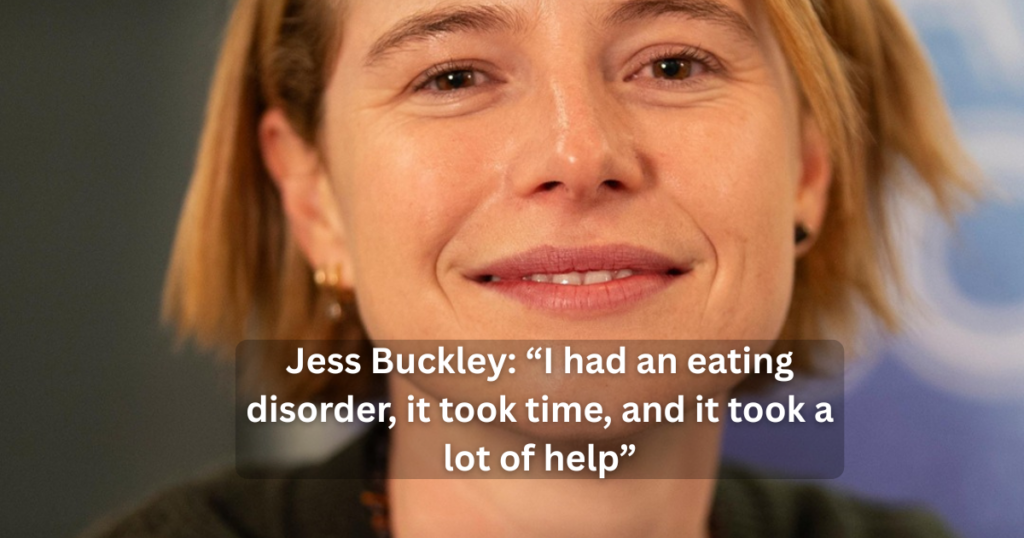
Recently, Jessie Buckley opened up about her experience with an eating disorder as a teenager:
“I didn’t know how to be alive the way I wanted to be, and it was difficult, but I do not for a second regret it, and I think I’ve been able to transform it and recognise our vulnerabilities as humans in the world… I’ve been in therapy since I was 17, I still go every week.”
Her story is a reminder that eating disorders are not about vanity—they are complex coping mechanisms often tied to trauma, anxiety, perfectionism, grief, or a need for control.
Eating Disorders: Hidden in Plain Sight
In Ireland, 1 in 20 people live with an eating disorder, equating to approximately 180,000 individuals at any given time. Alarmingly, a third of assessments for eating disorders last year were among teenagers aged 15 to 17.
Yet awareness and understanding remain limited. Many GPs, through no fault of their own, receive very little training in identifying eating disorders, and only 30% feel confident in diagnosing them.
For adults requiring specialist inpatient care, the situation is extremely constrained: there are just three adult HSE specialist eating disorder beds in Ireland, all located in south Dublin. While 11 specialist teams are officially listed nationwide, many are not fully staffed and lack the multidisciplinary expertise required to treat eating disorders safely. Jessie Buckley highlighted to a committee that turning 18 does not pause an eating disorder—transitioning from child to adult services can be a precarious time for many young people.
Harriet Parsons, CEO of Bodywhys, noted that in 2024, the organisation’s helpline responded to almost 1,300 calls, with over a third concerning people under 18.
Referrals to specialist eating disorder teams also increased by 33% in 2024. Over half of assessments were for children and adolescents, while adult assessments rose by over 50%, highlighting the growing demand and pressure on limited services.
Important: Eating disorders always require integrated care involving both medical and psychiatric oversight. A specialist eating disorder team can include psychotherapists, counsellors, psychologists, dietitians, doctors, nurses, and occupational therapists, all working together to address the physical, mental, and nutritional needs of the individual.
The Internal Battle
Eating disorders often involve a powerful internal voice that overrides rational thinking and drives secrecy, rigidity, and isolation. The rational brain may say: “I should comply with the recommendations from dietitians and therapists.” The eating disorder voice counters: “Don’t do that—you’ll lose control.”
This internal struggle can make recovery feel like a constant negotiation with oneself.
ARFID and Neurodivergence
Avoidant Restrictive Food Intake Disorder (ARFID) is increasingly recognised, particularly in neurodivergent individuals. Many children who are labelled “picky eaters” never outgrow these patterns, and sensory issues with food can trigger fight-or-flight responses or dissociation. ARFID deserves the same seriousness and support as other eating disorders. Importantly, a diagnosis of neurodivergence is not required to receive effective treatment.
Trauma, Anxiety, and the Roots of Disordered Eating
Disordered eating behaviours often develop as coping mechanisms for experiences such as grief, bullying, family breakdown, suppressed emotions, or academic pressure. Signs for parents to watch for include secrecy, irritability around meals, avoidance of food, and preference for baggy clothing. Early recognition is key: the sooner intervention occurs, the greater the chance of full recovery.
The Hidden Physical Toll
Eating disorders can have profound physical consequences, including malnutrition, impaired cognition, heart complications, brittle bones, digestive issues, disrupted sleep, and reduced fertility. Purging behaviours can cause serious internal damage, and refeeding too quickly after starvation can stress the heart. These risks affect men and women alike.
Why Families Matter
Family dynamics can play a significant role in recovery. Supportive family therapy can help individuals navigate recovery, while disharmony—especially being pulled between parents—can exacerbate eating disorder behaviours. Recovery is rarely linear, and relapse is a blip, not a failure. Early warning signs and relapse prevention planning are crucial for sustaining progress.
Navigating Healthcare and Stigma
Many people seeking treatment feel dismissed or reduced to their diagnosis. Psychotherapy and psychology are beneficial, but working with clinicians experienced in eating disorders is essential. Holistic, compassionate care that sees the person beyond their disorder is vital.
Jessie Buckley’s openness underscores an important truth: eating disorders are not a moral failing—they are complex, human struggles. With early intervention, family support, and fully integrated care from a multidisciplinary team of medical, mental health, and nutrition professionals, recovery is possible.
Jessie Buckley’s story reminds us that eating disorders are not a sign of weakness—they are a human struggle that can be faced with support and care. As she says, “I’ve been in therapy since I was 17, I still go every week.” Her journey shows that recovery is possible, and that with understanding, patience, and professional guidance, life beyond the disorder is achievable.
At BetterCare.ie, we recognise that eating disorders are complex and deeply personal struggles. Our clinicians include specialists experienced in eating disorders who provide compassionate, evidence-based psychological support for individuals and families, often working alongside medical and multidisciplinary teams to support recovery safely and at a pace that feels manageable.
If you or someone you care about may be struggling, you can send a message to our team or call 01 531 4500.
RTÉ News – Eating disorder referrals increase as services face pressure (2026)
https://www.rte.ie/news/2026/0121/1554254-eating-disorders/
